
How Heritage Travel Deepens the Family Story
By Scott Dunn
For a growing number of travelers, the question driving a journey is no longer just where to go, but how to connnect in a way that transcends an ordinary vacation. Ancestry travel is one of the defining trends of 2026, pointing to a shift in what travelers want from their time away. Not just a luxury hotel or a thoughtful itinerary, but context. Family history. A stronger thread connecting them to the places they visit.
At Scott Dunn, this shift feels familiar. It sits at the center of our ethos: travel that takes you further.
A journey that starts with a question
Ancestry travel rarely begins with a finished itinerary. More often it starts with a DNA result, a family story passed down at a dinner table, or a place uncovered mid-research.
Europe Sales Team Manager Livia Angelini sees this play out across her home country of Italy, where families are increasingly drawn away from the well-trodden path in search of a connection to their past:
“Travelers today, particularly families and multi-generational groups, are seeking authentic, heritage-rich experiences that go beyond traditional sightseeing. This has fueled the rise of travel to small, remote towns where traditions are preserved and family stories come to life in communities that feel personal.”
Senior Asia Travel Specialist Lili LeBaron describes a similar pull across Asia, particularly in countries such as Sri Lanka, Indonesia, and India:

“Returning to the lands of one’s ancestors can be profoundly moving, offering context, understanding, and a stronger sense of personal identity.”
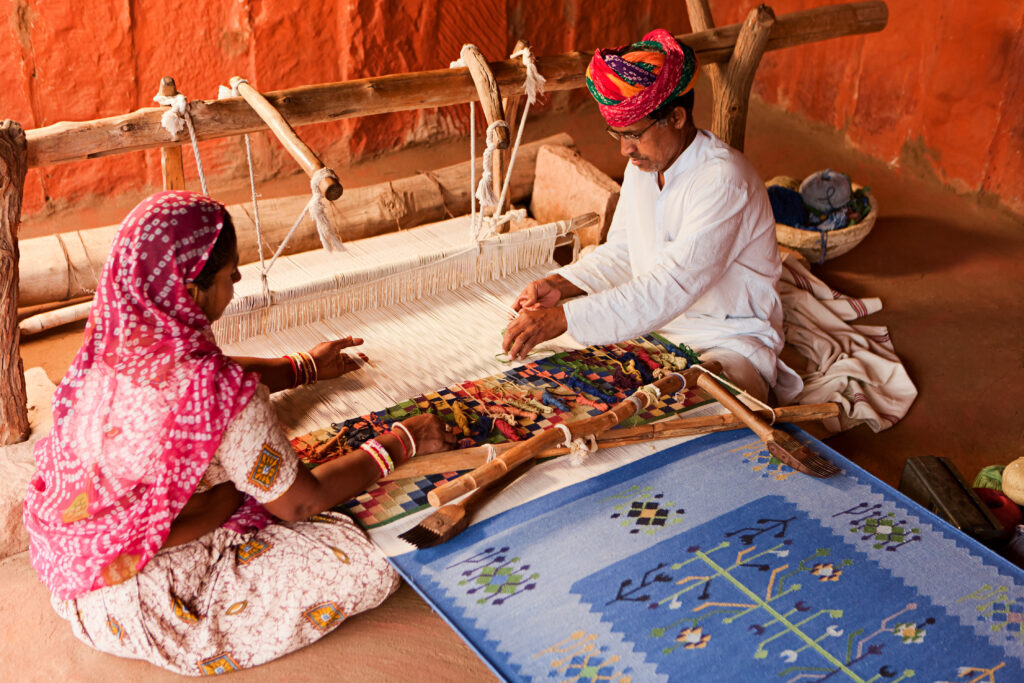
One family’s Scott Dunn journey through India

A Scott Dunn guest recently shared how this kind of journey took shape for her own family. “My daughter has always been interested in where we come from and really inspired us to plan a once-in-a-lifetime vacation to India.” The family traveled nine members strong, spanning grandparents down to a four-year-old.
Getting the age range right mattered. The family needed a travel specialist who could listen closely enough to build a single itinerary that worked for teenagers, young children, and adults all at once, without any generation feeling like an afterthought.

What stayed with her afterward wasn’t a single site or meal. It was watching her children connect with their family and their roots, becoming even closer as a result. In her words, the experience left the whole family with “a fresh perspective and a much more open mind about the world around us.”
What this looks like in practice: Ireland

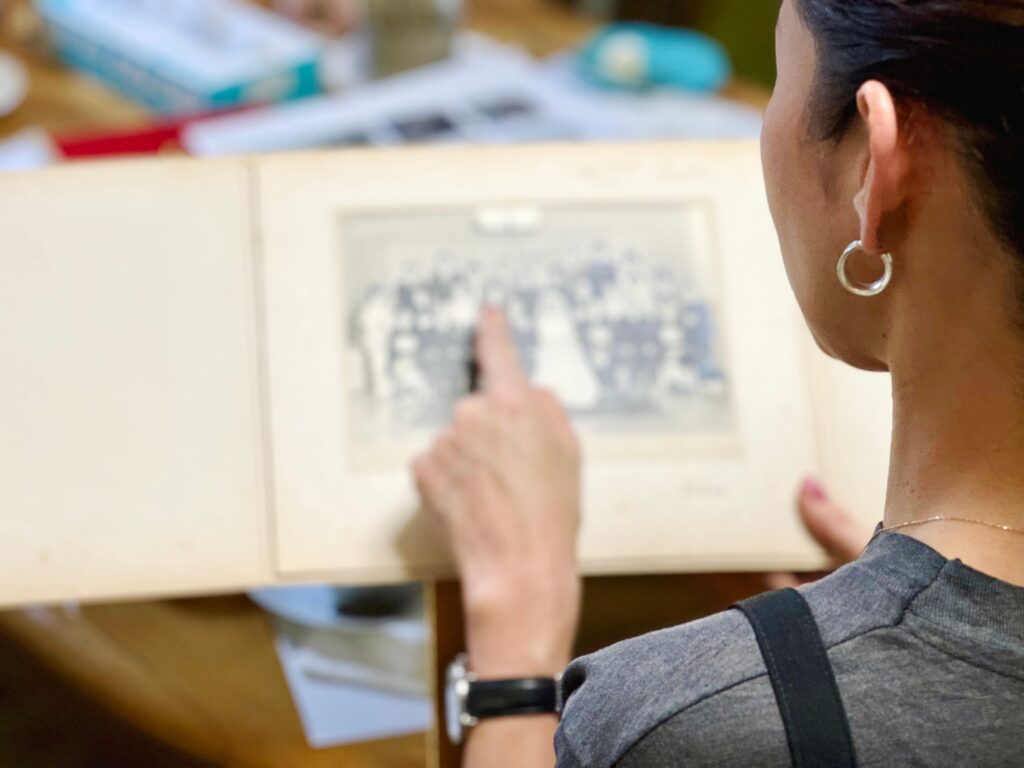
This deeply personal style of travel comes to life in destinations like Ireland, where a Scott Dunn journey is thoughtfully personalized around a family’s own genealogy from the start. Guests sit down privately with a heritage expert who has already researched their family tree, turning names and dates into real people, places, and communities, with a personalized Heritage Book to keep as a record.

From there, the itinerary follows the research rather than a standard sightseeing route. Think days in Kerry and County Clare spent visiting the actual villages tied to a family’s ancestors, alongside classic local experiences that bring the region’s culture to life. By the final days in Dublin, the family receives a full archive of the maps, documents, and discoveries gathered along the way, a keepsake to treasure for generations to come.

It’s a useful blueprint for how ancestry travel works best: research done in advance, a real expert guiding the discovery, and a physical record that turns a journey into something a family keeps coming back to for years. What makes it resonate, though, is how differently each generation experiences that same discovery.
Why this matters for multigenerational travel

Heritage journeys tend to surface something that standard multigenerational travel only hints at: each generation engaging with the same history in a different way. For teenagers, it might mean learning firsthand how their family lived through a historical moment they’ve only read about in school. For parents, it’s often the experience of watching names on a family tree turn into real places and stories. For grandparents, a single village or churchyard can reignite memories that had long since faded.
That layering is exactly where a destination’s living tradition becomes tangible. Heritage isn’t locked away in a museum. It’s part of daily life, which makes it easier for younger travelers to grasp something that might otherwise stay abstract.
Designing the journey, not just the destination
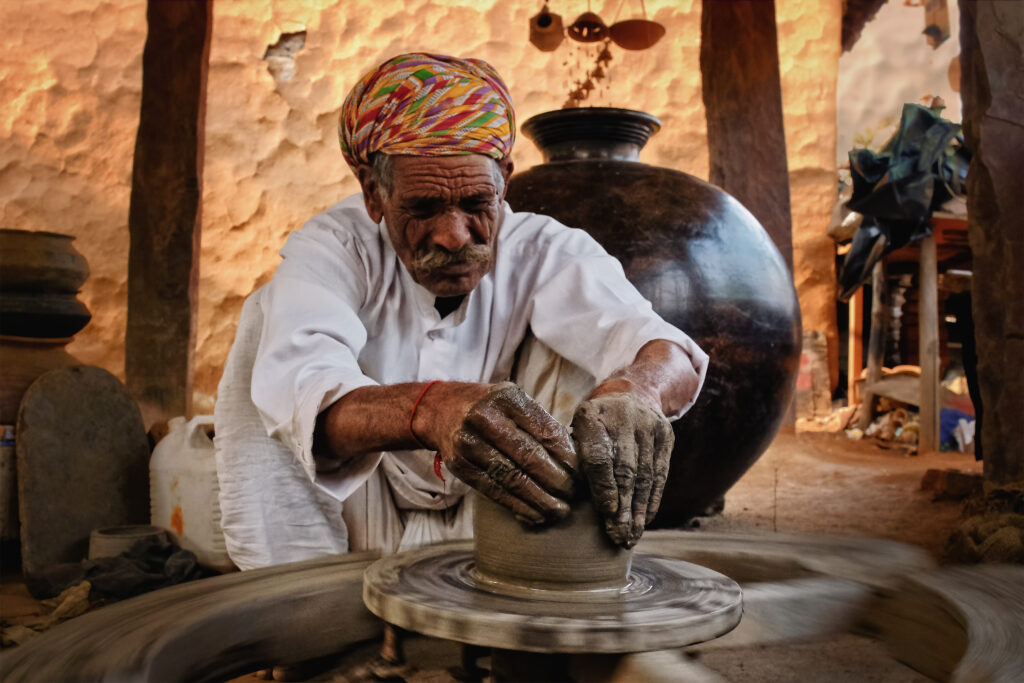
Roots travel asks more of a journey’s architecture than a typical vacation does. It means thoughtful pacing that leaves room for research and reflection alongside the usual sightseeing, and knowing exactly which historians and local guides to bring in to add color no guidebook can offer.
That is where a specialist’s knowledge becomes the difference between a vacation and a meaningful adventure woven into a family’s story.
Heritage travel may delve into the past, but it isn’t about looking backward. It’s about understanding how a family’s history shapes generations, inviting connection to a family story still unfolding.
Related Posts





Posted in: