
Walking with Words: Keeping Ancient Languages Alive
By Classic Journeys
Languages are the true soul of a culture. They are living vessels of tradition, history, and identity, yet many of them are now on the brink of extinction. Of the roughly 7,000 languages spoken worldwide, at least 40% are endangered, and on average, one disappears every two weeks, taking with it generations of knowledge.

Why languages are vanishing
Language loss has accelerated in recent decades, driven by powerful social and economic changes. Globalization, economic migration, and the dominance of national and global languages steadily reduce the number of speakers of indigenous, minority, and rural languages. In cities and expanding urban areas, children grow up surrounded by the majority language that is used in school, media, and technology, and may never fully learn the mother tongue of their parents or grandparents. When the last fluent speaker dies, a language can disappear almost overnight, sometimes before its grammar, vocabulary, and oral history have been fully documented. Each language carries an irreplaceable worldview, encoding unique ways of understanding health, the environment, spirituality, and community. Family stories can vanish when a language falls silent, erasing archives that were never written down.
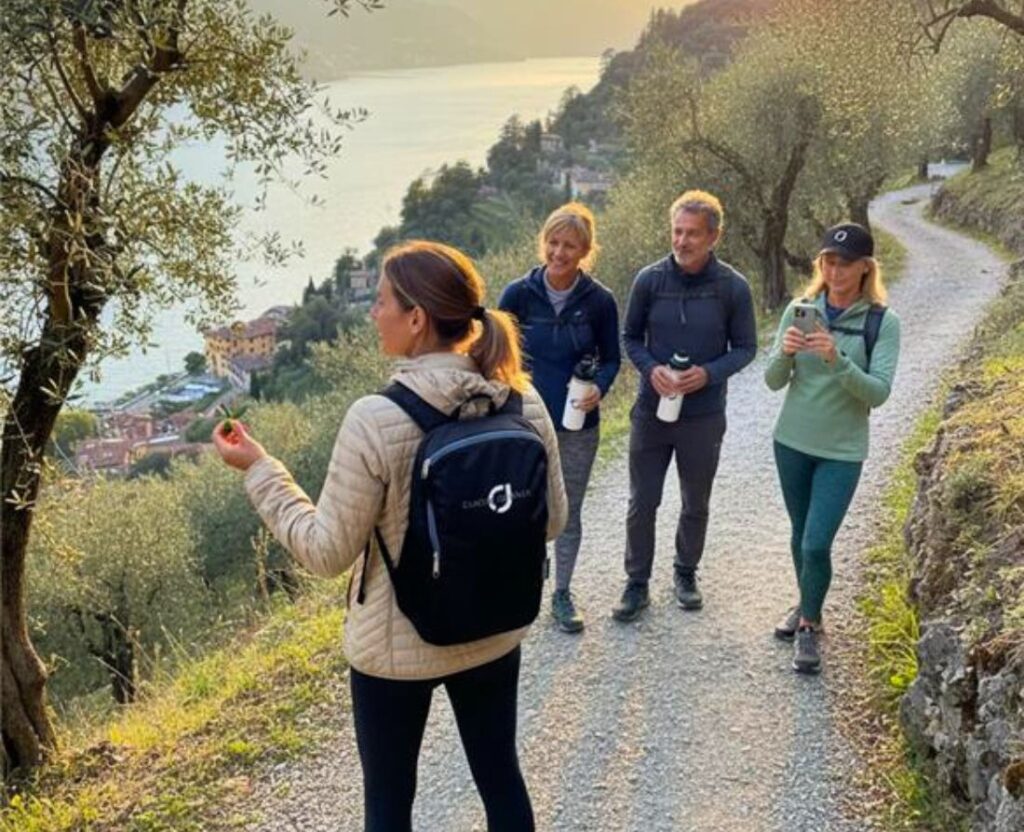
UNESCO and global urgency
UNESCO now describes this loss of linguistic diversity as a global emergency and has taken the lead in coordinating international efforts to protect and revitalize vulnerable languages. Its World Atlas of Languages tracks the status of thousands of at‑risk languages, categorizing levels of endangerment and calling for timely intervention. These efforts underscore that language preservation is not just about saving words, but about safeguarding entire systems of meaning and identity. When a community’s language is weakened, its cultural confidence and sense of continuity often weaken along with it.
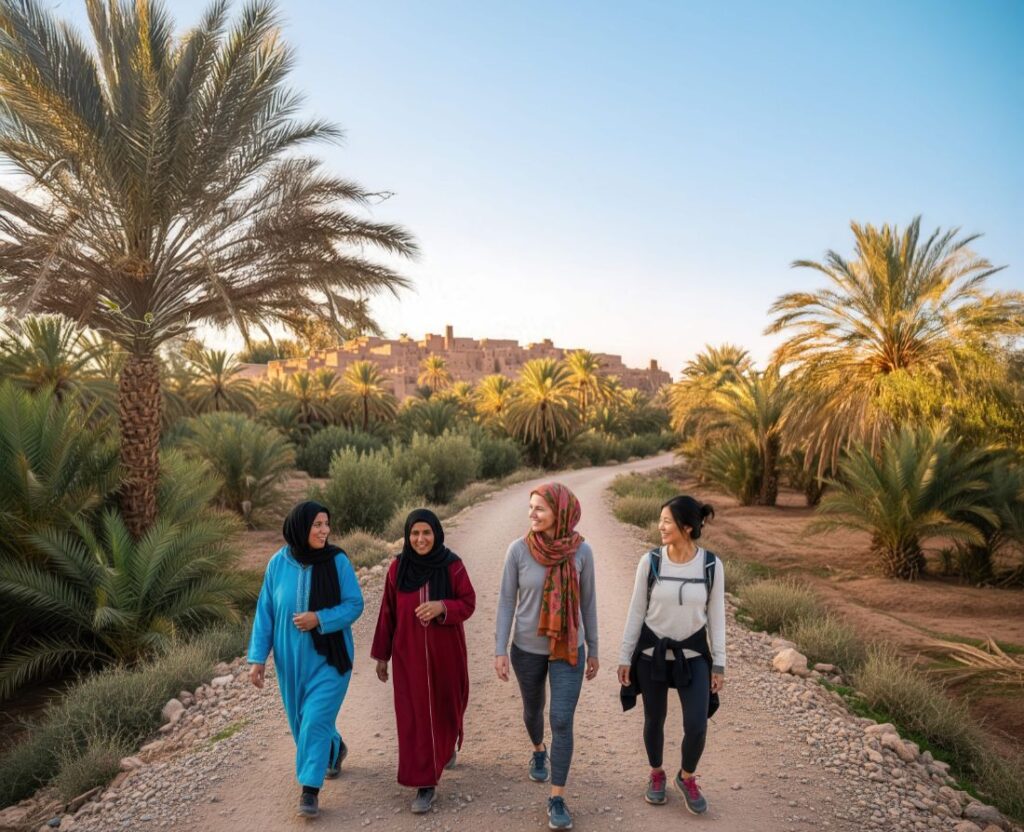
Regenerative travel and language
A growing movement known as regenerative travel offers one powerful way to support linguistic resilience. While sustainable tourism aims to minimize harm, regenerative travel seeks to actively restore and enrich destinations, cultures, and communities. This approach is especially important for language preservation because linguistic diversity flourishes where communities feel their culture is valued, respected, and economically viable. Destinations that embrace regenerative travel – specifically where travelers engage with expert regional guides and interact together with locals – often see renewed pride in heritage, stronger intergenerational transmission of traditions. These authentic interactions allow more opportunities for local storytellers, artists, and guides to work in their mother tongues.
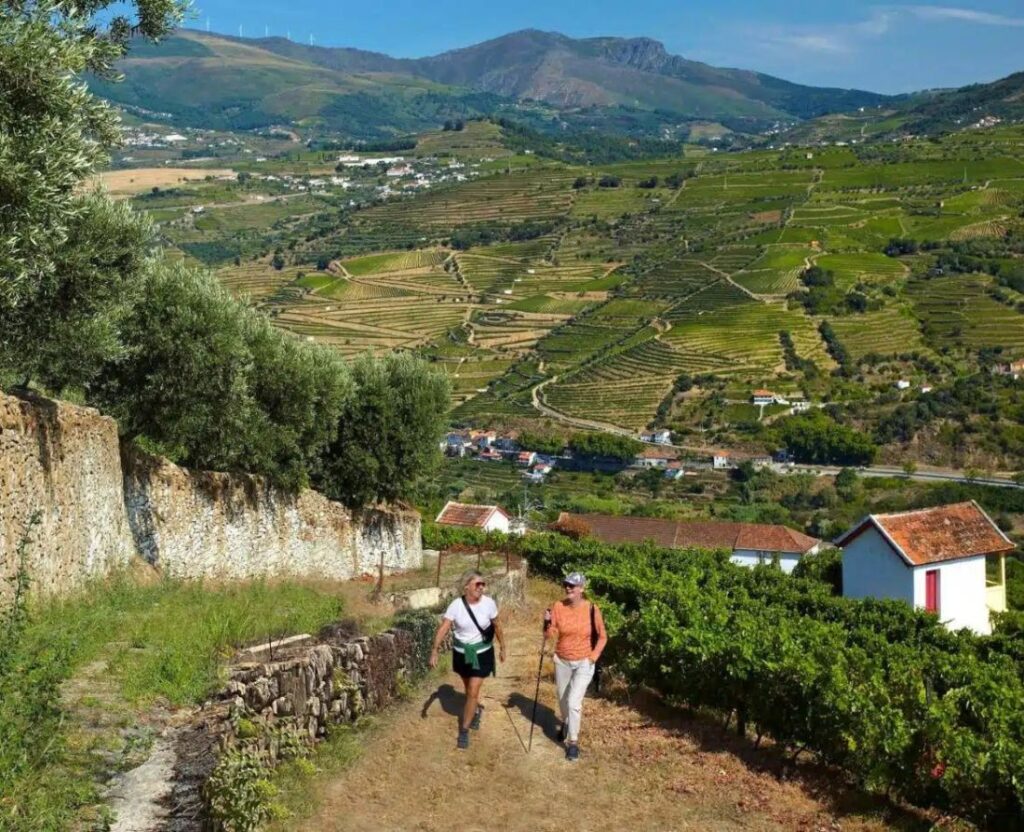
How travelers can help languages
Regenerative travel reframes visitors not as spectators, but as stewards and partners. When travelers engage with local people and explore with a regional expert, they affirm the dignity and relevance of minority languages in everyday life. Exploring the world, there are several practical ways this comes to life:
- Travelers can seek experiences that include language immersion, story‑sharing, and participation in cultural events, so that the local language is used naturally rather than staged for show.
- By choosing locally owned hotels, restaurants, guides, and shops—especially in rural areas where endangered languages are still spoken—visitors can help keep those languages economically and socially present.
- Thoughtful travel challenges the “cultural commodification” that reduces traditions to performances, and instead encourages genuine conversation, listening, and mutual learning.
- Intentionally small group encounters or one‑to‑one exchanges create space for meaningful conversation, allowing local voices to be heard rather than drowned out by crowd noise. Learning and using simple greetings (or even a heartfelt thank you) in the local language can become a quiet act of solidarity.

Words as living commitments
Partnerships with local experts, educators, and cultural organizations help travelers understand the pressures that endangered languages face and the efforts underway to sustain them. Learning a few phrases—whether “Egun on” (good morning in Basque), “Salam aleikum” (peace be upon you in Moroccan Arabic), or “Kia ora” (greetings in Māori of New Zealand)—is more than a courtesy. Each expression spoken with respect signals that the language and its speakers matter, here and now. In this sense, every exchanged greeting and shared story becomes a small but meaningful investment in the future of the world’s languages, helping keep them alive and loved, not just archived and remembered.
About Classic Journeys
Classic Journeys is a luxury walking tour company dedicated to culturally immersive travel experiences around the world. For more than 30 years, the company has designed journeys that explore destinations on foot, allowing travelers to connect more deeply with local cultures, landscapes, and people. Each itinerary is thoughtfully paced and led by expert local guides who bring regional history, traditions, and daily life into focus. By traveling in small groups and prioritizing meaningful local relationships, Classic Journeys believes travel can foster genuine connection, cultural understanding, and a deeper appreciation for the places and communities visited.
Related Posts





Posted in: