Preserving the Past for the Next Traveler: How Tourism Helps Protect Cultural Heritage
By Tess St. John, Tauck
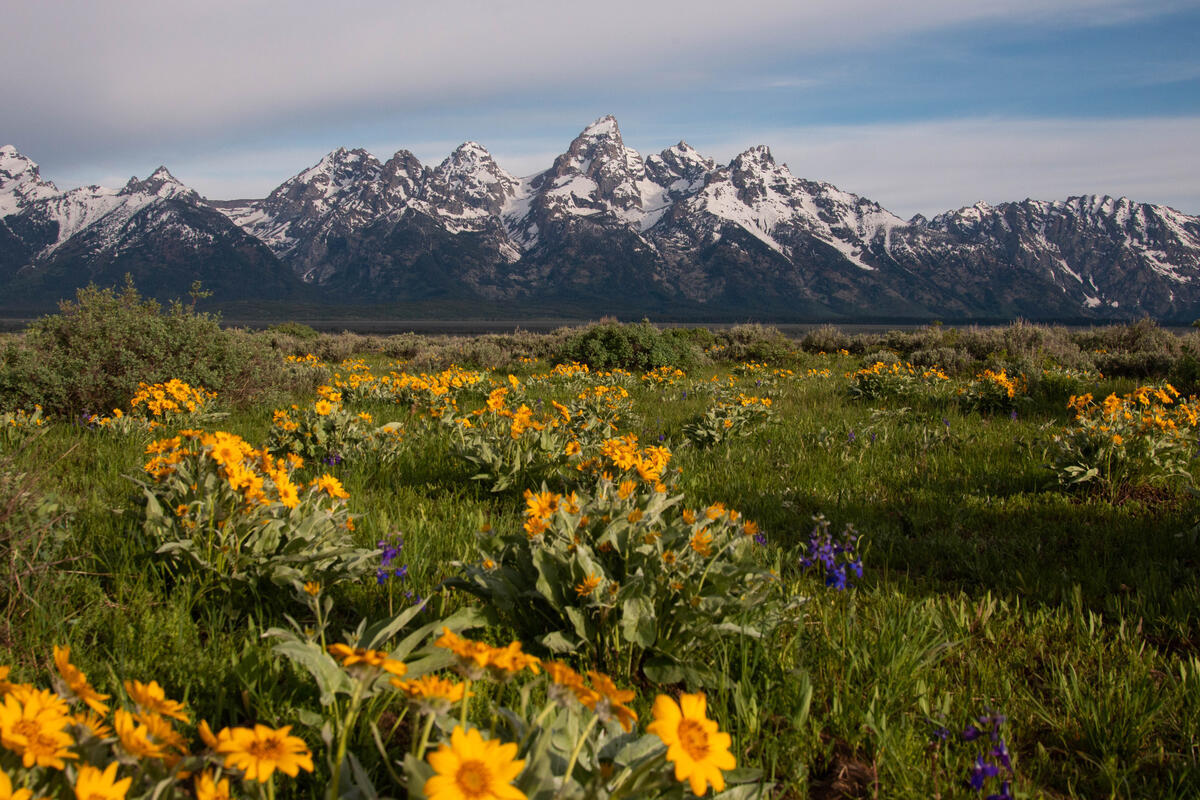
There’s a certain satisfaction in visiting somewhere new – especially places that feel relatively untouched. A national park at sunrise. An underwater coral garden, quietly teeming with life. A stretch of beach where the horizon feels endless, waves crashing on the shore with a soft hush. These are the kinds of places that make you want to bring something home, something physical to hold onto the memory.
For me, it’s always a rock or a shell, something glinting in the sand or smooth enough to skip across a glasslike lake.
But once I bring it home, it never holds the same spark it did when I first found it.
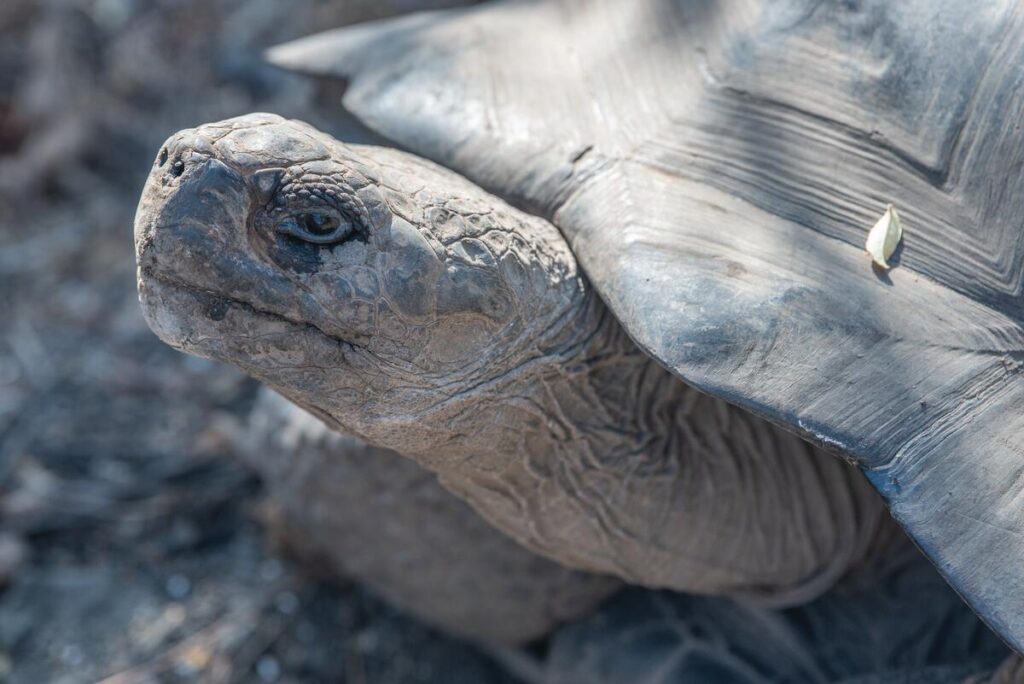
Maybe it’s the lighting. Maybe it’s the absence of wind or water or context. Or maybe it’s something simpler: once removed from its origin, it feels out of place, as if I pulled it from its own home. What felt like a small, harmless keepsake begins to feel like something taken.
I can’t help but be reminded of Theodore Roosevelt standing at the edge of the Grand Canyon, urging future generations to “leave it as it is,” every time that realization hits. His words weren’t just about land – they were about restraint, about understanding that some things hold their meaning precisely because they remain where they are.
And preservation, I’ve come to realize, extends far beyond the landscapes we’ve fought to protect.
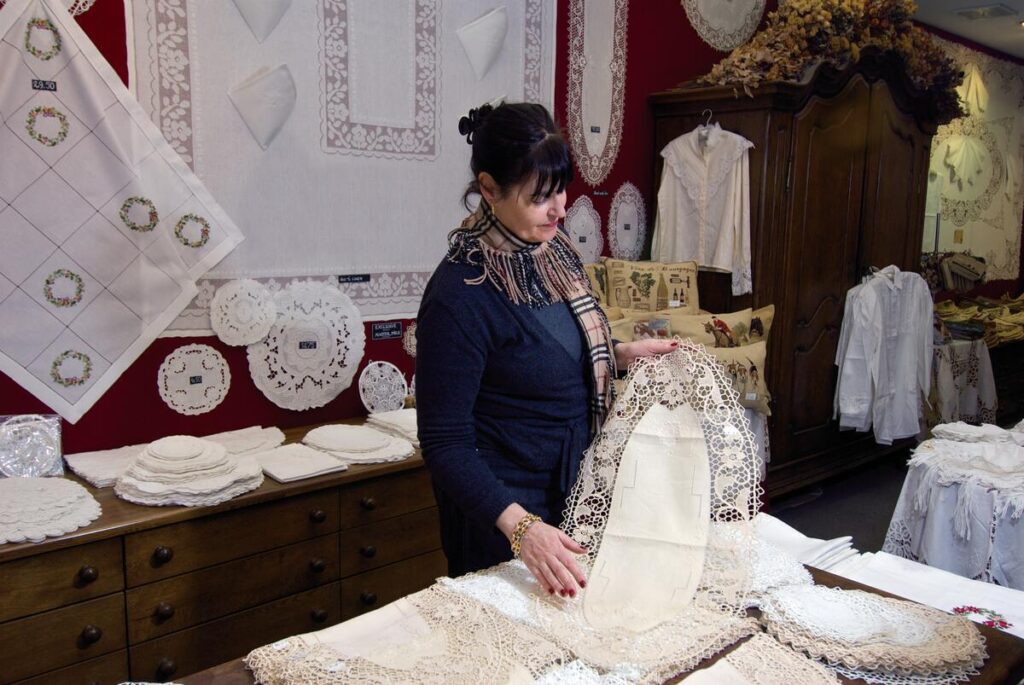
It lives in the people we meet along the way – the lacemakers in Venice shaping traditions passed down through generations; the local guides who carry histories not found in textbooks, in Petra’s rose-colored corridors where ancient stone wears quietly under modern footsteps; the communities whose identities are woven into the places we visit, whether one state over or an ocean away. A destination is never just its land; it is everything that fills it, sustains it, and gives it a voice.
A place is not just what we see during peak seasons. There are kids walking to school, mothers walking miles for water on the same roads we take off-road jeep rides on – daily motions that exist long before we arrive and long after we leave.
Often, we step into the frame of a destination without ever seeing the full picture. What we experience is only a fraction, a moment shaped for us to pass through.
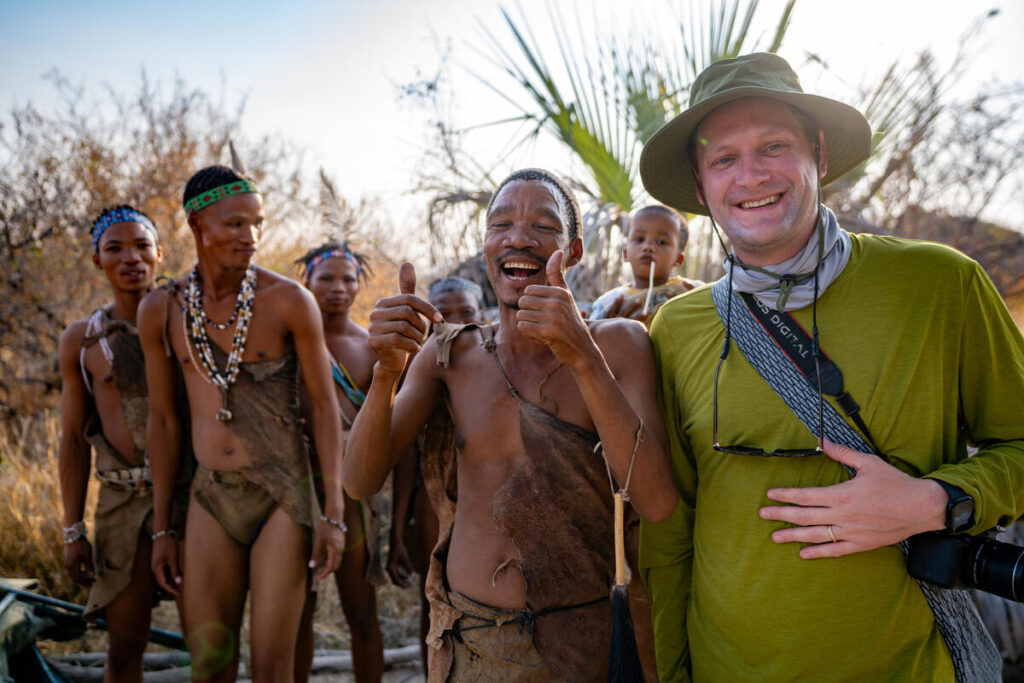
Our footprints fall on paths long established by others, and it’s up to us to move through them without shifting their course. These rhythms hold stories, traditions, and ways of life that don’t pause for our arrival.
But it’s not all cautionary. We’re wired to explore, to connect, to step into lives beyond our own. And when done thoughtfully, travel has the power to build up the very communities we visit.
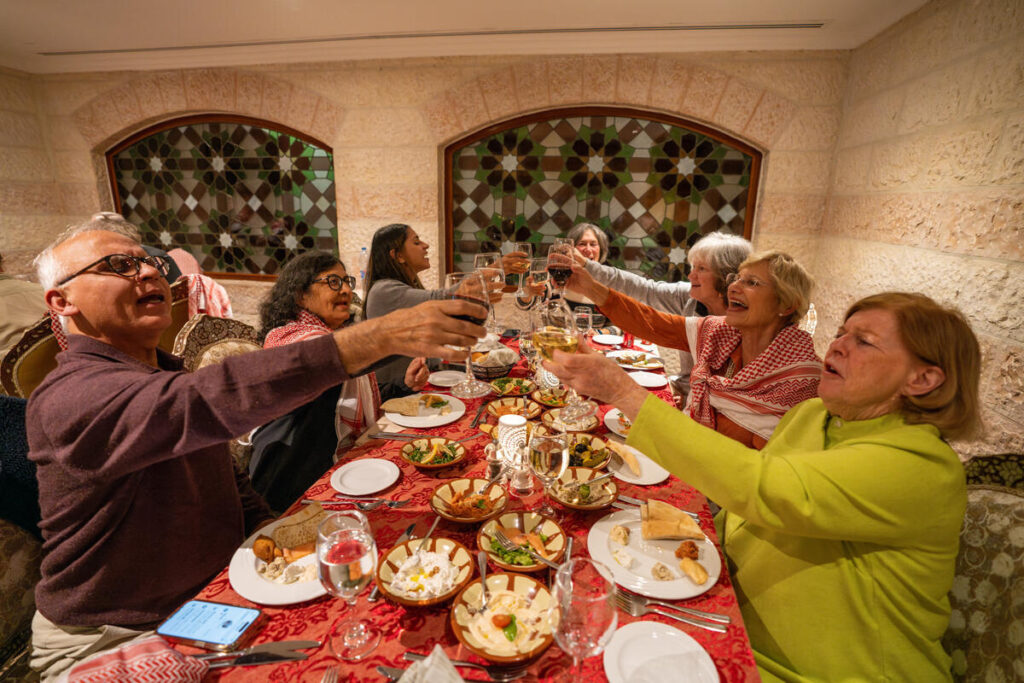
It can look like choosing to shop locally supporting a seventh-generation winemaker in whose craft is as much inheritance as it is livelihood. It can mean contributing to the restoration of centuries-old landmarks and cultural sites, or sitting with a local family over a shared meal, where stories are passed across the table and culture is preserved not in monuments, but in memory.
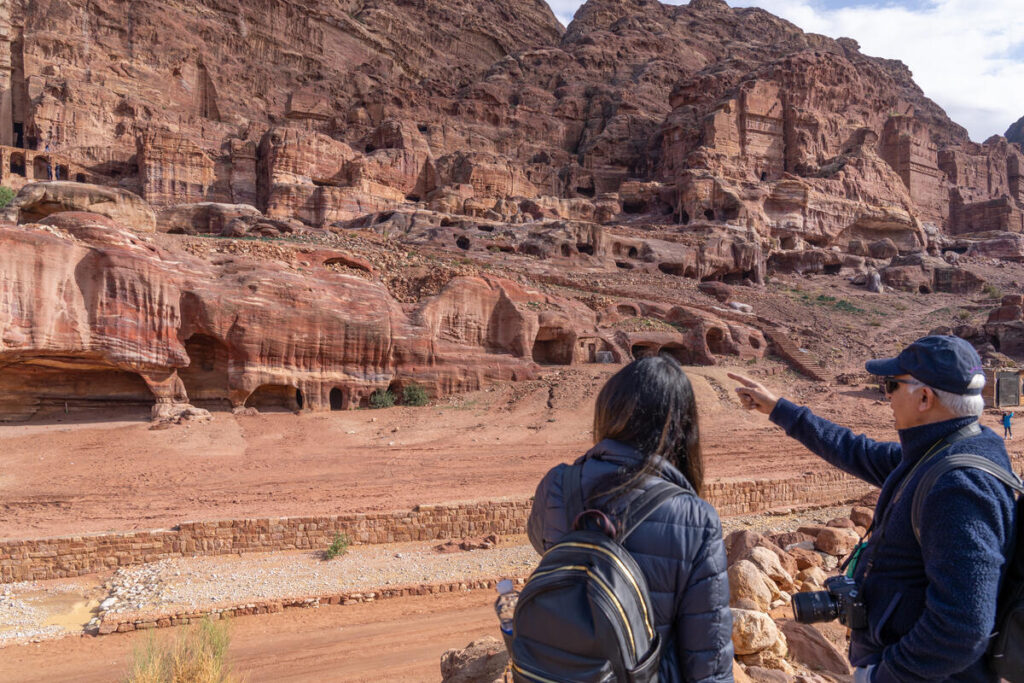
In these small, intentional choices, tourism becomes less about taking and more about giving back.
At the end of the day, I don’t need the rock to remember the place. What stays with me are the stories – the subtle shifts in perspective that make the world feel both wider and more connected. It’s learning how to belong without taking from what was never ours to begin with – and leaving it whole for the next traveler.
About the Author
Tess St. John is a writer for Tauck, where she explores the intersection of travel, culture, and human connection. Her work blends thoughtful storytelling with a deep appreciation for the places and people that shape each journey, inviting readers to experience the world with curiosity, care, and intention.
About Tauck
For more than 100 years, Tauck continues to deliver authentic travel experiences through exclusive access with some of the best guides in the world. With all-inclusive trips spanning 70+ countries across seven continents including river and small ship cruising, land journeys, safaris and family adventures, they continually raise the bar to find new ways to connect travelers more deeply with the places they explore.
Related Posts


Posted in: