Beyond the Safari: How Community-Based Tourism Is Shaping Rwanda’s Travel Story
By Visit Rwanda, the official destination marketing organization for Rwanda, working with tourism partners and communities to showcase the country’s landscapes, culture, conservation, and people to travelers around the world. Visit Rwanda is a proud sponsor of the 2026 USTOA Future Lights of the Tour Industry.
In Rwanda, some of the most meaningful travel experiences begin long after the wildlife encounter ends.
They might start with a conversation over a shared meal, a walk through a village guided by someone who has called the area home for generations, or an afternoon learning how traditional crafts are made. These experiences offer travelers something increasingly valuable: the opportunity to see a destination through the eyes of the people who live there.
Community-based tourism has become an important part of Rwanda’s tourism story, connecting conservation and travel with local livelihoods. The philosophy is relatively simple: when communities benefit from tourism, they have a greater stake in protecting the places and traditions that make their home unique.

Nowhere is this connection more visible than around Rwanda’s protected areas. Revenue generated through tourism has supported community development initiatives, including schools, health centers, water infrastructure, and other local projects. Around Volcanoes National Park, for example, community-focused initiatives have helped create opportunities for residents living alongside one of the world’s most celebrated mountain gorilla habitats.
But community tourism in Rwanda extends well beyond conservation.
Across the country, travelers can encounter experiences rooted in everyday life and local knowledge. In rural communities, visitors may learn traditional agricultural practices, explore local food traditions or discover the craftsmanship behind Rwandan basketry and textiles. Rather than simply observing, travelers are invited to participate — creating an exchange that feels personal and often continues well beyond the experience itself.
There is also an important human element to these encounters. A community guide is not simply leading a traveler from one point to another; they are sharing their own connection to the landscape. A craftsperson is not demonstrating a cultural tradition for a visitor in isolation; they are helping sustain a skill that has been passed between generations. A meal becomes more than something on a plate when its ingredients, preparation and stories are connected to the community that produced them.
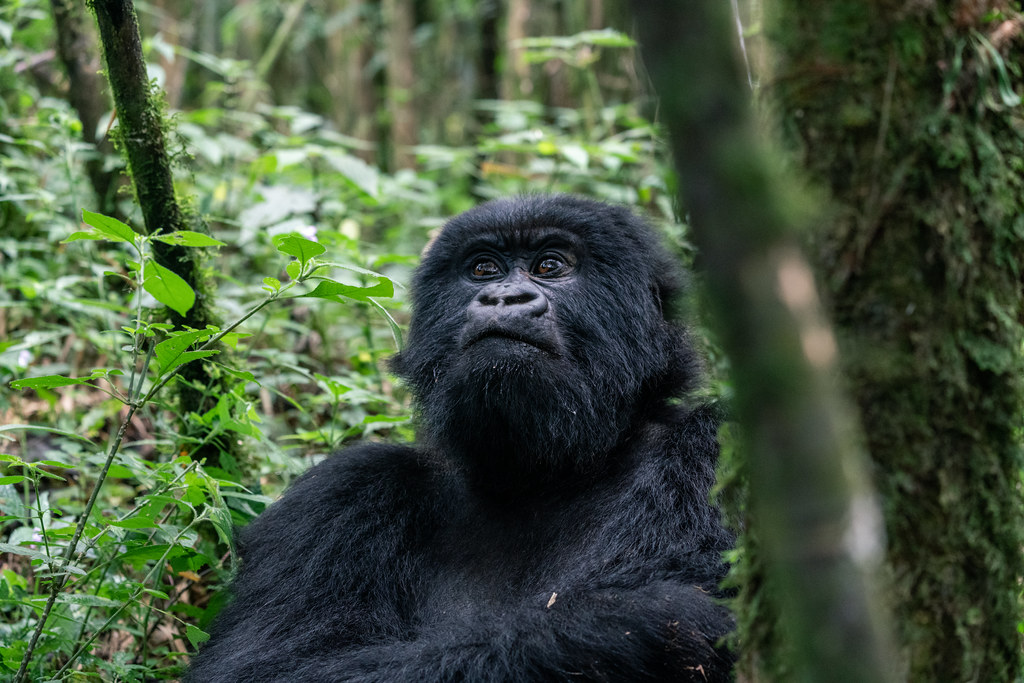
This model reflects a broader shift in how travelers are thinking about responsible tourism. Increasingly, the question is not only How can I experience this place? but also What does my presence contribute to it?
Rwanda offers one answer: travel can be a two-way exchange.
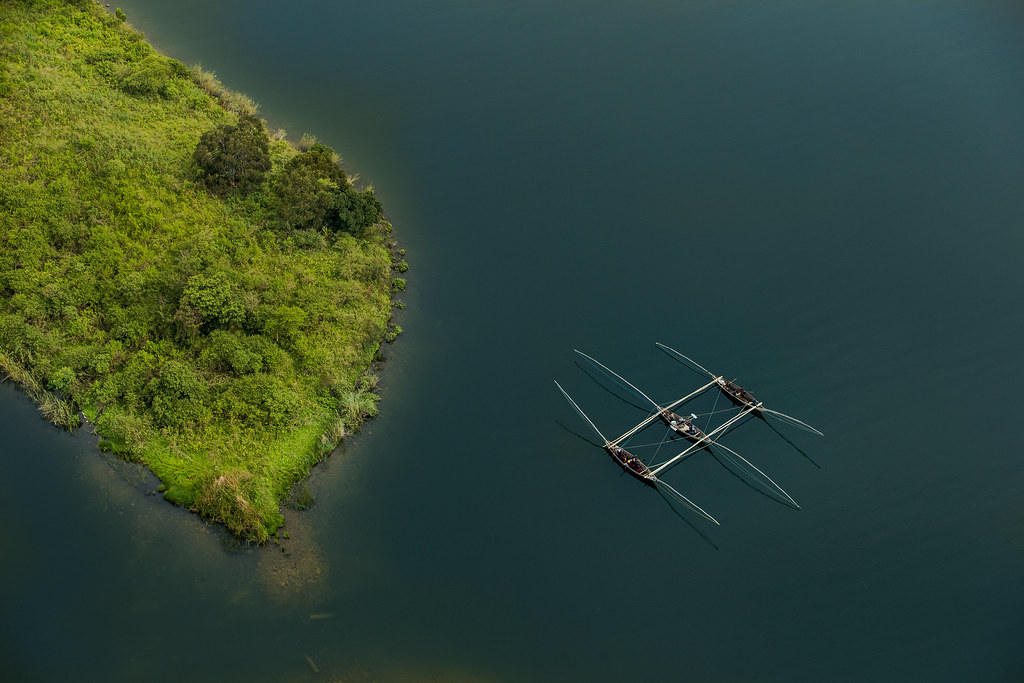
The country’s community-based tourism initiatives demonstrate that meaningful travel does not have to be separated from conservation or local economic opportunity. In fact, the three can reinforce one another. When visitors slow down, listen and engage with local communities, they often leave with a deeper understanding of Rwanda — one that goes beyond its extraordinary landscapes and wildlife.
Perhaps that is the most memorable souvenir of all: not simply having visited Rwanda, but having connected with the people who call it home.
About Visit Rwanda
Visit Rwanda is the official destination marketing organization for Rwanda. Its work highlights the country’s diverse tourism experiences, from wildlife and conservation to culture, outdoor adventure, wellness and gastronomy, while supporting the continued development of a responsible and sustainable tourism industry. Through collaboration with local communities, tourism businesses and international partners, Visit Rwanda seeks to share the many stories that make Rwanda a distinctive destination.
Related Posts

Posted in: