The New Era of Responsible Travel in the Caucasus and Central Asia
Written by Boris Sahakyan, the founder of Arara Tour
The Caucasus and Central Asia: What are these regions about?
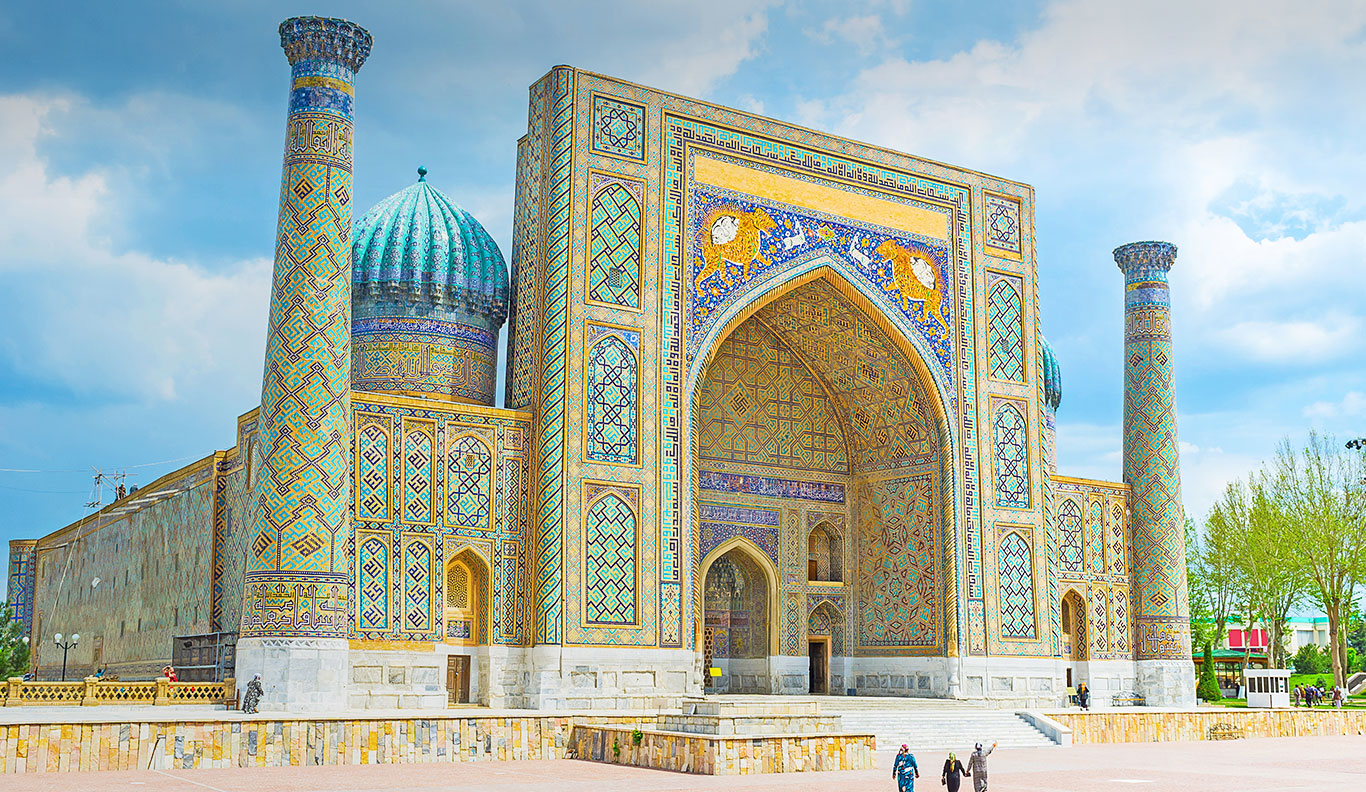
The Caucasus and Central Asia are two unique regions that have recently become increasingly attractive to tourists. They have much in common due to centuries of intertwined history, including the Silk Road and Soviet past, geographical proximity, and a shared cultural heritage. Yet, each country has its own unique traditions and highlights. Lying between Eastern Europe and Western Asia the Caucasus includes three neighboring countries: Armenia, Georgia, and Azerbaijan. Central Asia in its turn is located at the crossroads of Eurasia and includes Five Stans: Uzbekistan, Kazakhstan, Kyrgyzstan, Tajikistan, and Turkmenistan.
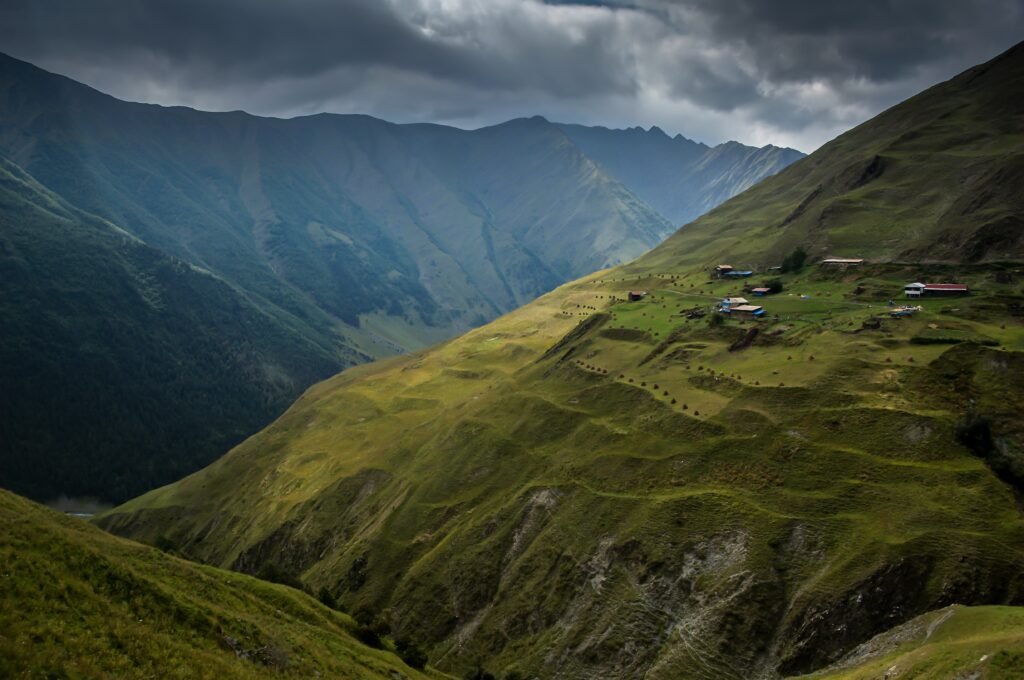
So, what makes this land so attractive? Tourists are drawn by the rich cultural heritage, mountain nature, authentic national cuisine, deep-rooted traditions of hospitality, and the historical connection to the Great Silk Road. For thousands of years, the vast lands of the Caucasus and Central Asia have served as important crossroads of trade connecting East and West. That’s why history buffs often choose combined tours to both regions to fully plunge into the atmosphere of Silk Road and follow in the footsteps of ancient traders.
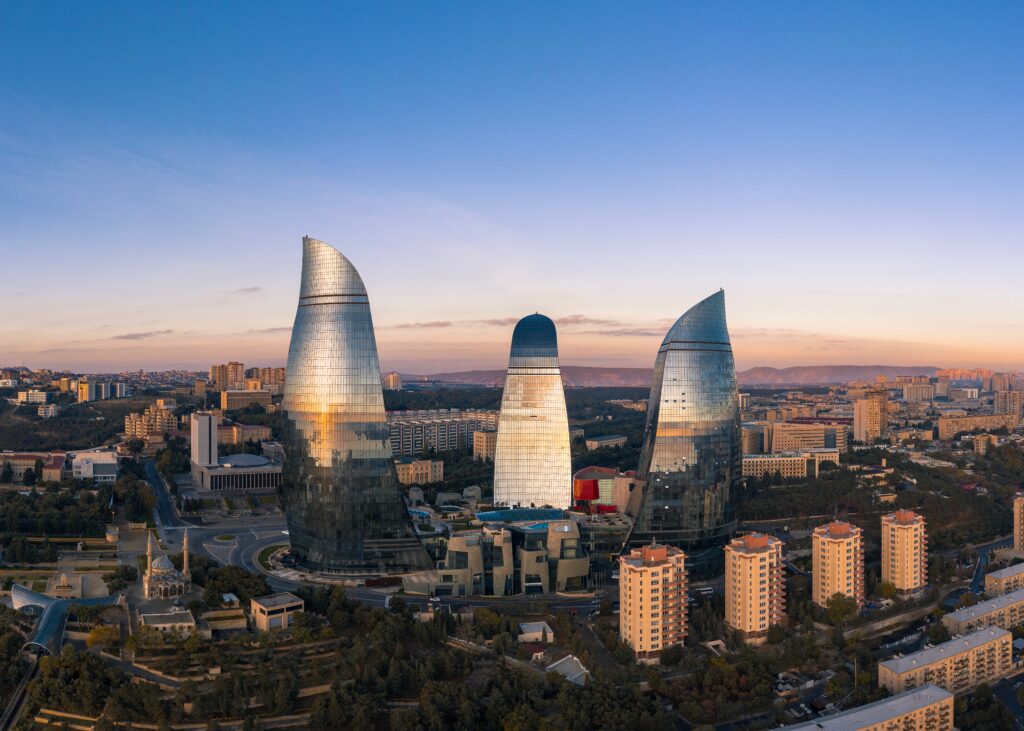
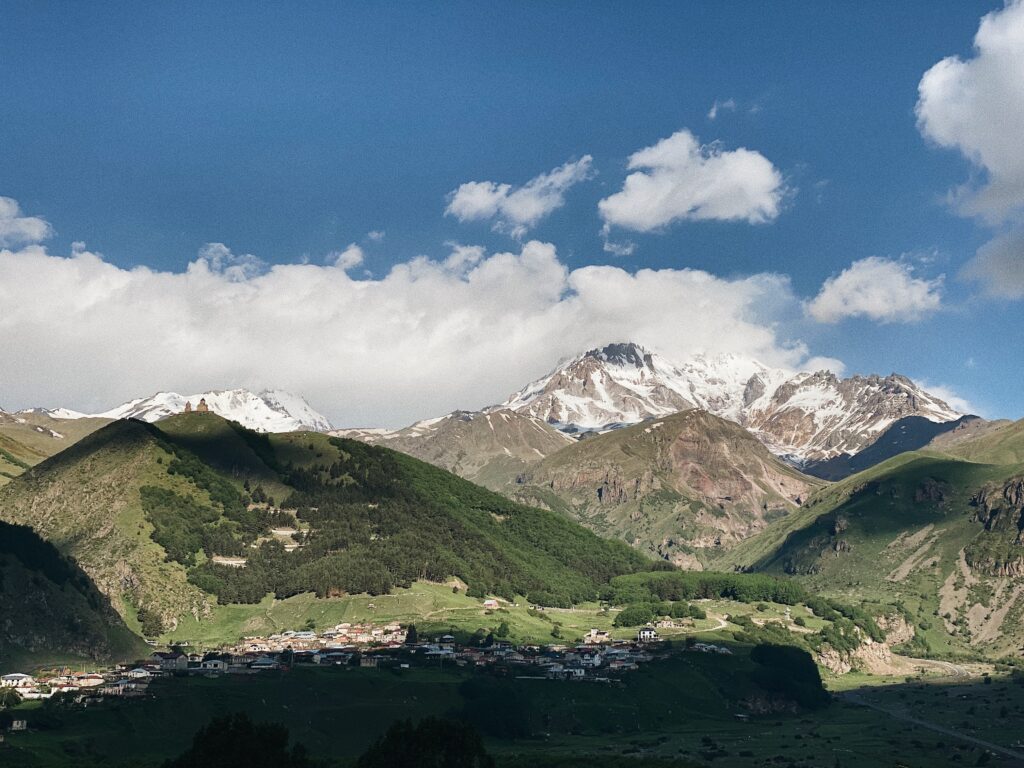
Despite similarities, each country has its own unique characteristics and highlights. Being one of the first countries to adopt Christianity as state religion, Armenia is proud of its ancient churches set high in the mountains. Georgia is known as a cradle of winemaking with wine history stretching back over 8,000 years meanwhile Azerbaijan boasts traditions of carpet weaving and sericulture. In Uzbekistan travelers can plunge into the oriental fairy tale in Samarkand, Bukhara, and Khiva. Kyrgyzstan will surprise with its nomadic traditions, yurt life and the beauty of high-altitude landscapes. Kazakhstan in its turn is the land of endless steppes and nomads. Landlocked Tajikistan known as the Roof of the World stuns with its snow-peaked mountains and Turkmenistan is less discovered land with white marble capital and world renown Gates of Hell.
Responsible Travel as a Solution to New Challenges
Growing interest in these regions creates new challenges. The increased number of tourists contributes to economic development, creation of new jobs, and supports growth of local businesses. However, an insufficiently thought-out approach can place pressure on natural areas and historical monuments. So, what is the solution?
The answer lies in responsible travel. It is not only about environmental protection – this approach encourages using local services, supporting family-owned businesses, respecting cultural norms, caring for nature, and creating opportunities for local residents to directly benefit from tourism development.
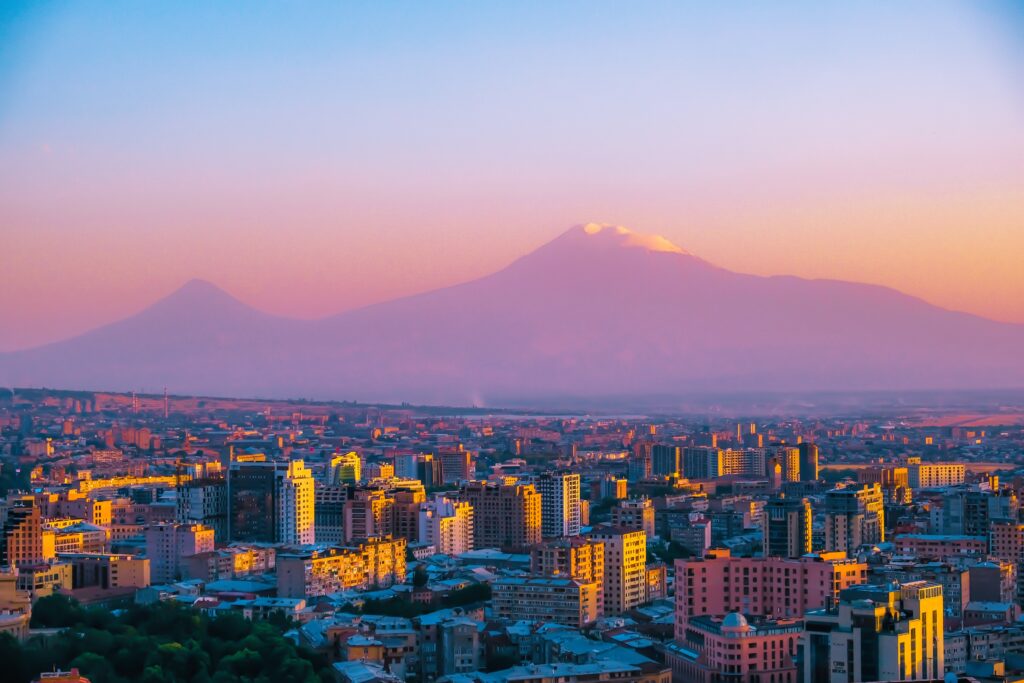
Responsible travel is not yet very developed in the Caucasus and Five Stans, but over the past 6-7 years, there has been significant progress in the Caucasus countries. One of the main challenges is the lack of awareness among travelers and tour agencies, limited infrastructure and the regions’ scale and diversity. Eight countries represent different approaches to tourism development. As a result, there can be no single model of responsible tourism that applies equally to all of them.
Thus, large tourism companies have an important role to play. Fortunately, more and more local tour operators are beginning to recognize the importance of this approach, and the regions are entering a new era of responsible tourism development.
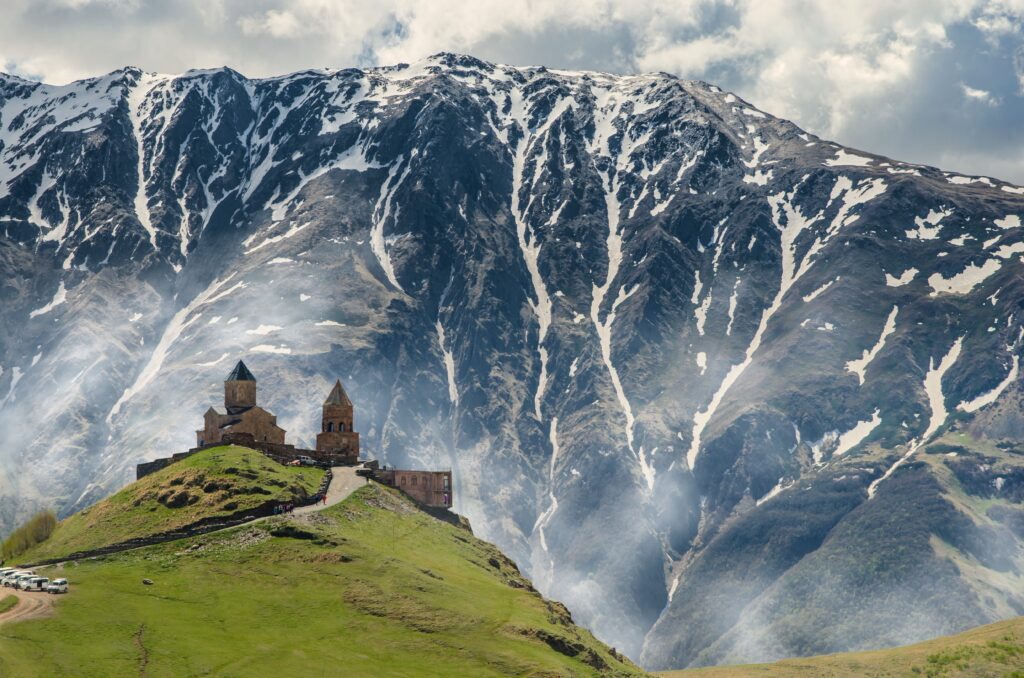
In Armenia, Georgia, and Azerbaijan responsible tourism means reaching beyond the luxury city centers and supporting communities. A small family-run guesthouse instead of a large international chain, dinner at a local family instead of a standard restaurant, purchasing a product directly from an artisan, and participating in master classes on preparing local dishes or on carpet-weaving – these are steps that are slowly becoming part of journeys through Armenia, Georgia, and Azerbaijan.
In Central Asia, responsible tourism must address other challenges. The ecosystems of the steppes, deserts and high plateaus require a respectful approach. Respect for nomadic traditions is equally essential. A multi-country expedition across all Five Stans requires careful logistical planning to minimize environmental impact.
Ultimately, responsible travel in the Caucasus and Central Asia is a conscious approach to travel, ensuring the impact we leave behind won’t harm future generations and helping preserve the magic of the Silk Road for centuries.
About Arara Tour
Arara Tour is a tour operator and destination management company in the Caucasus and Five Stans specializing in creating immersive, carefully thought-out tours to Armenia, Georgia, Azerbaijan, Uzbekistan, Kazakhstan, Kyrgyzstan, Tajikistan and Turkmenistan. The company has its own local agencies in all the countries of the Caucasus and Central Asia. This gives a significant advantage in organizing cross-country tours as it eliminates double profiting, provides a high level of quality, and gives an opportunity to quickly resolve any issues directly on-site. Having the own agencies also allows to effectively manage and follow the tour process at every stage. Arara Tour positions itself as а responsible tour operator with the tours designed to promote and support local communities, preserve cultural heritage, and minimize environmental impact. The company works with local hotels and guesthouses, family-run restaurants, producers of authentic local products like dried-fruits or cheese, small boutique wine yards and others. Arara is also a proud member of USTOA. For more information, visit www.araratour.com or contact by email info@araratour.com.
Related Posts





Posted in: